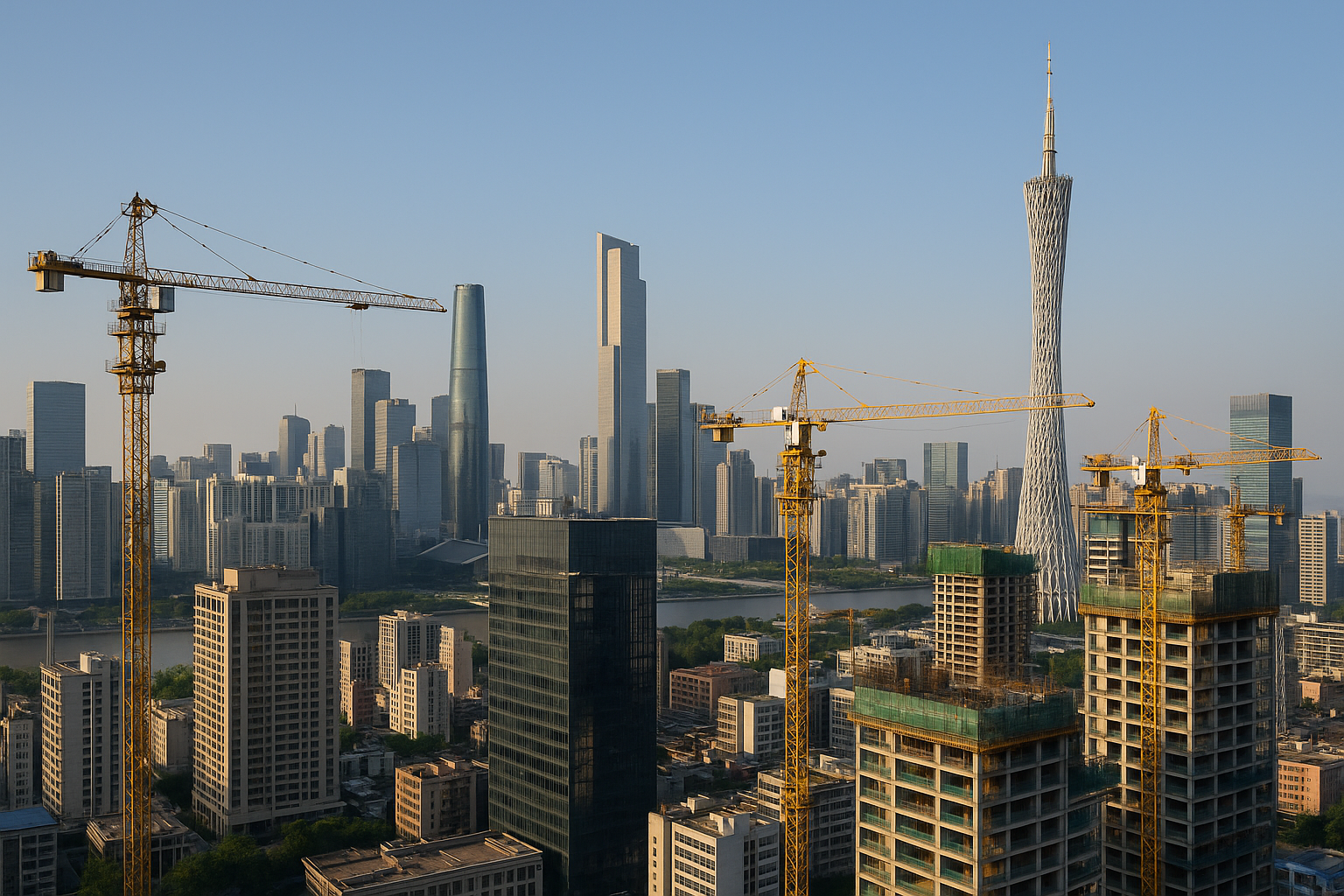
Major Chinese cities are introducing fresh property policies, including subsidies and relaxed rules, to support their real estate markets and encourage both residential and commercial investment.
Key Facts
- Guangzhou has announced a significant housing subsidy to stabilize its property market.
- Zhongshan now allows real estate companies to resell acquired existing properties.
- A minimum down payment of 30% is set for commercial property loans in Zhongshan.
- These measures are part of broader efforts to boost confidence in China's real estate sector.
- The policies aim to address both residential and commercial property challenges.
- Market stabilization is a priority amid ongoing concerns about property sector health.
- Local governments are taking active roles in supporting property transactions.
- The new policies reflect a trend of targeted interventions in key Chinese cities.
Overview
Chinese cities are stepping up efforts to stabilize their property markets with new policies designed to boost confidence and encourage investment. Guangzhou, one of the country's largest urban centers, has unveiled a major housing subsidy aimed at supporting both buyers and developers. Meanwhile, Zhongshan has introduced measures that allow real estate companies to resell acquired existing properties and set a minimum down payment for commercial property loans.
These actions come as local governments across China seek to address persistent challenges in the real estate sector. By offering financial incentives and relaxing certain restrictions, officials hope to stimulate demand and prevent further declines in property values. The focus is not only on residential housing but also on commercial property, which has faced its own set of pressures.
The new policies reflect a broader trend of targeted interventions in key cities, as authorities look to balance market stability with sustainable growth. While the effectiveness of these measures will take time to assess, they signal a proactive approach to managing one of China's most important economic sectors.
In Depth
The real estate sector in China has long been a pillar of the national economy, but recent years have seen mounting pressures from oversupply, tightening credit, and wavering buyer confidence. In response, local governments are taking a more active role in market management. Guangzhou's newly announced housing subsidy is one of the most prominent examples, designed to make property purchases more attractive and to support developers facing liquidity challenges.
Zhongshan's policy shift is also notable. By permitting real estate firms to resell existing properties they have acquired, the city is aiming to increase market liquidity and reduce the risk of unsold inventory. The introduction of a 30% minimum down payment for commercial property loans is intended to ensure financial discipline while still encouraging investment in the sector.
These local measures are part of a broader national strategy to shore up the property market without resorting to blanket stimulus. Instead, cities are tailoring interventions to their specific market conditions. For instance, Guangzhou's subsidy targets both supply and demand, while Zhongshan's focus is on commercial property transactions and financial stability.
The effectiveness of these policies will depend on several factors, including the overall economic environment, the response from buyers and investors, and the ability of local governments to implement and adjust measures as needed. Early signals suggest that these steps are being closely watched by other cities, which may adopt similar approaches if positive results emerge.
While the property sector remains under pressure, these targeted policies represent a shift towards more nuanced and flexible market management. By addressing both residential and commercial property challenges, Chinese cities are seeking to restore confidence and lay the groundwork for a more stable real estate market in the years ahead.
Commonly Asked Questions
What is the purpose of Guangzhou's new housing subsidy?
The subsidy is intended to stabilize the property market by making home purchases more affordable and supporting developers facing financial challenges.
How does Zhongshan's new policy affect commercial property loans?
Zhongshan now requires a minimum down payment of 30% for commercial property loans, aiming to encourage responsible lending while supporting investment.
Can real estate companies in Zhongshan now resell existing properties?
Yes, real estate firms in Zhongshan are now allowed to resell acquired existing properties, which is expected to improve market liquidity.
Are these policies limited to residential property?
No, the new measures address both residential and commercial property sectors, reflecting a comprehensive approach to market stabilization.
Why are Chinese cities introducing these property policies now?
The policies are being introduced to address ongoing challenges in the real estate sector, boost market confidence, and prevent further declines in property values.
Reliability Score
21/100