From Spokane to Mumbai, cities are ramping up cleaning initiatives to revitalize public spaces, improve health, and foster civic pride. Recent campaigns highlight the growing importance of organized urban cleaning efforts.
Key Facts
- Downtown Spokane held a successful Spring Clean Week, engaging local businesses and volunteers.
- Mumbai's 22-day Safai Yatra removed 12,000 kg of waste from city streets and suburbs.
- The SIGAP Team reorganized and cleaned the Sunter Lake area, improving local public spaces.
- Community groups and youth organizations are increasingly involved in cemetery and alleyway cleanups.
- Philadelphia's 'Alleygators' initiative targets neglected city alleyways for cleaning and revitalization.
- Urban cleaning efforts are often timed ahead of major public events to ensure welcoming environments.
- Public-private partnerships and volunteer engagement are key to the success of these initiatives.
- Cleaning campaigns contribute to public health, safety, and community pride.
Overview
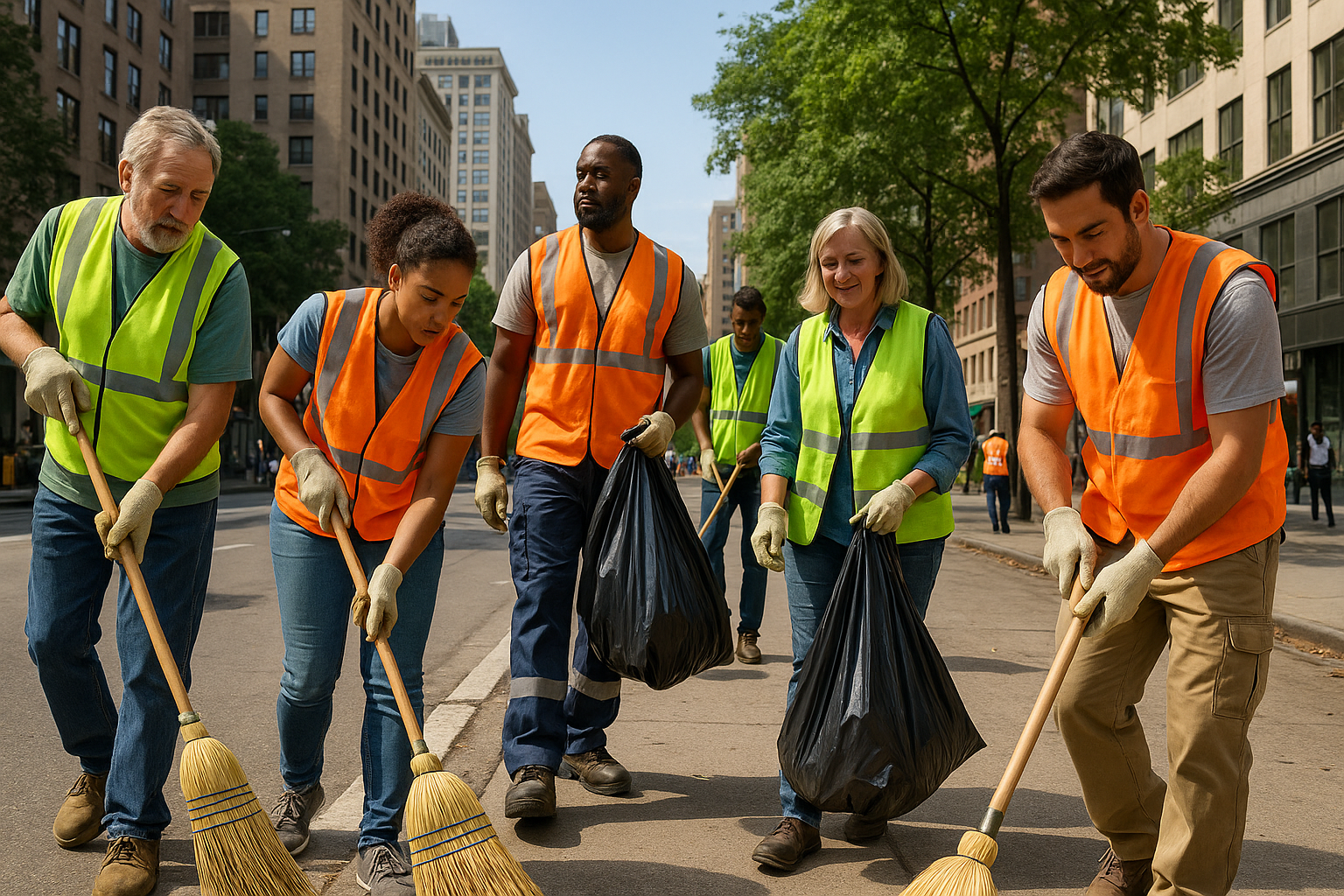
Urban cleaning initiatives are on the rise as cities worldwide recognize the value of clean, inviting public spaces. In Spokane, Washington, the Downtown Spokane Partnership recently celebrated a successful Spring Clean Week. Volunteers, local businesses, and city workers joined forces to tidy streets and prepare for the annual Bloomsday event.
Meanwhile, in Mumbai, a massive 22-day Safai Yatra campaign saw the removal of over 12,000 kilograms of waste from city streets and suburbs. The effort, involving municipal workers and community members, aimed to tackle litter and raise awareness about cleanliness.
Other cities are following suit. In the Sunter Lake area, the SIGAP Team led a reorganization and cleaning drive to improve the local environment. Philadelphia’s ‘Alleygators’ have taken on the challenge of cleaning neglected alleyways, turning them into safer, more attractive spaces.
These initiatives often rely on partnerships between local governments, businesses, and volunteers. They are frequently timed ahead of major events or seasonal changes, ensuring that public spaces are ready to welcome residents and visitors alike.
Beyond aesthetics, urban cleaning campaigns have tangible benefits for public health and safety. Cleaner streets reduce the risk of disease, discourage illegal dumping, and foster a sense of community pride. As more cities invest in these efforts, the trend toward cleaner, more livable urban environments continues to grow.
In Depth
The push for cleaner urban environments is gaining traction across continents, driven by a mix of civic responsibility, public health concerns, and the desire to create more welcoming cities. In Spokane, the Downtown Spokane Partnership’s Spring Clean Week mobilized dozens of volunteers and business owners. The campaign focused on litter removal, graffiti cleaning, and beautification projects. Organizers reported high participation rates, with local businesses providing supplies and incentives. The event not only improved the city’s appearance but also fostered collaboration among stakeholders.
Mumbai’s Safai Yatra stands out for its scale and impact. Over 22 days, municipal workers and volunteers systematically targeted high-traffic areas, residential neighborhoods, and suburban streets. The campaign removed an estimated 12,000 kilograms of waste, ranging from plastic debris to construction materials. Officials noted that the effort was part of a broader strategy to combat urban pollution and encourage responsible waste disposal. Public awareness campaigns ran alongside the cleanup, educating citizens about the importance of maintaining cleanliness.
In Indonesia, the SIGAP Team’s work at Sunter Lake highlights the role of targeted interventions in revitalizing public spaces. The team reorganized the area, cleared debris, and implemented measures to prevent future littering. Such localized efforts often serve as models for other communities, demonstrating the effectiveness of focused, well-coordinated action.
Community involvement is a recurring theme in successful urban cleaning initiatives. In Philadelphia, the ‘Alleygators’ program empowers residents to reclaim alleyways that have long been neglected. Volunteers organize regular cleanups, remove trash, and sometimes add lighting or murals to deter future dumping. These grassroots efforts complement official city programs and help build lasting neighborhood pride.
Civic organizations and youth groups are also making their mark. Scouts and students have been seen cleaning cemeteries and public parks, preserving historical sites while instilling a sense of stewardship in younger generations. Such activities not only improve the environment but also strengthen community bonds.
The timing of these campaigns is often strategic. In Spokane, the Spring Clean Week was scheduled just before Bloomsday, a major city event, ensuring that public spaces were at their best for visitors. Similarly, Mumbai’s Safai Yatra coincided with the end of the festival season, when litter tends to accumulate.
Public-private partnerships are crucial to the sustainability of these efforts. Businesses contribute resources, while city agencies provide logistical support. Volunteers bring energy and local knowledge, making it possible to reach areas that might otherwise be overlooked. The combined approach maximizes impact and ensures that cleaning is not a one-time event but an ongoing commitment.
Looking ahead, urban cleaning initiatives are likely to expand as cities grapple with population growth and environmental challenges. The lessons learned from recent campaigns—community engagement, strategic timing, and cross-sector collaboration—offer a blueprint for other municipalities seeking to enhance their public spaces.
Commonly Asked Questions
What are urban and public space cleaning initiatives?
These are organized efforts by cities, communities, or organizations to clean and maintain public areas such as streets, parks, alleyways, and cemeteries, often involving volunteers and local agencies.
Why are these cleaning campaigns important?
They improve public health, safety, and the overall appearance of cities, reduce pollution, and foster community pride and engagement.
Who participates in these initiatives?
Participants include city workers, local businesses, community groups, volunteers, and sometimes youth organizations or schools.
How are these initiatives organized?
They are often coordinated by local governments or partnerships between public and private sectors, with scheduled events, supply donations, and volunteer recruitment.
What are the long-term benefits of urban cleaning drives?
Long-term benefits include cleaner and safer environments, reduced disease risk, increased tourism, and stronger community connections.
Reliability Score
70/100
Sources
- RT News: Downtown Spokane Partnership celebrates successful Spring Clean Week ahead of Bloomsday – krem.com
- Associated Press: Sunter Lake Area Reorganized by SIGAP Team – MOST 1058
- Financial Times: Mumbai’s 22-Day Safai Yatra Ends At Carter Road After Removing 12,000 Kg Waste Across City And Suburbs – Free Press Journal