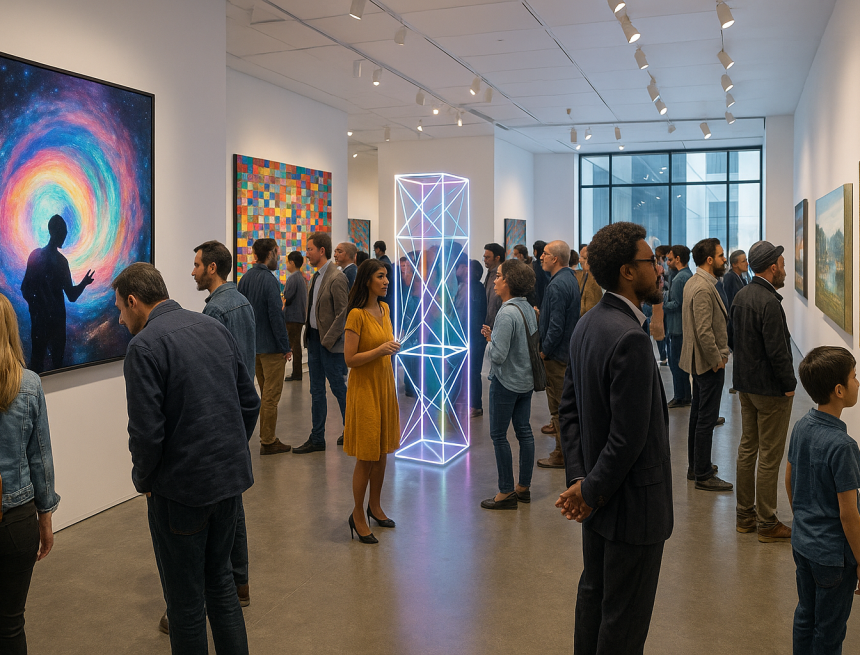
From immersive galleries in Africa to headline-making biennales in Europe and the Middle East, the international art world is experiencing a dynamic year marked by innovation, cultural exchange, and heated debate.
Key Facts
- The Venice Biennale, one of the world's most prestigious art events, faced controversy in 2024 as its jury resigned and awards were suspended amid political tensions.
- The Diriyah Contemporary Art Biennale in Saudi Arabia concluded with participation from artists representing 37 countries.
- Choose Kigali in Rwanda is gaining attention for its immersive, quantum-inspired art experiences.
- The United Arab Emirates is rapidly expanding its influence in the global art scene through new institutions and international collaborations.
- Major galleries and events are increasingly focused on cross-cultural dialogue and innovative exhibition formats.
- Recent art events have highlighted both emerging and established artists from a wide range of backgrounds.
- Political and social issues continue to shape the programming and reception of international art events.
Overview
The international art world is in the spotlight as major events and galleries redefine the boundaries of creativity and cultural exchange. This year, the Venice Biennale, often dubbed the 'Olympics of the art world,' made headlines not just for its ambitious exhibitions but also for internal turmoil. The event's jury resigned and awards were scrapped, reflecting the complex intersection of art and global politics.
Meanwhile, the Diriyah Contemporary Art Biennale in Saudi Arabia showcased works from 37 countries, underscoring the growing importance of the Middle East as a hub for artistic innovation. Across Africa, Rwanda's Choose Kigali gallery is drawing visitors with its immersive, quantum-inspired installations, blending technology and tradition in new ways.
The United Arab Emirates continues to invest heavily in the arts, positioning itself as a key player on the global stage. New museums and partnerships are attracting international attention and fostering dialogue between artists from diverse backgrounds.
These developments reflect broader trends in the art world: a push for inclusivity, experimentation with new media, and a willingness to confront social and political issues head-on. As artists and institutions navigate these changes, the global art scene remains as vibrant and unpredictable as ever.
In Depth
The Venice Biennale, established in 1895, has long been a barometer for contemporary art trends and a platform for national representation. In 2024, however, the event was overshadowed by controversy. The entire jury resigned in protest over the handling of Russia’s participation, leading to the unprecedented suspension of all awards. This decision highlighted the challenges faced by international art events in maintaining neutrality amid geopolitical tensions. Despite the disruption, the Biennale continued to attract thousands of visitors, with pavilions from dozens of countries presenting works that addressed themes ranging from migration to climate change.
In contrast, the Diriyah Contemporary Art Biennale in Saudi Arabia concluded its latest edition on a high note. Featuring artists from 37 countries, the event emphasized cross-cultural collaboration and the role of art in fostering dialogue. The biennale’s programming included large-scale installations, performances, and educational workshops, reflecting Saudi Arabia’s broader efforts to position itself as a cultural destination. The diversity of participating artists and the ambitious scope of the event underscored the region’s growing influence in the global art ecosystem.
Africa’s art scene is also gaining momentum, with Rwanda’s Choose Kigali gallery at the forefront. The gallery has become known for its immersive exhibitions inspired by quantum physics, offering visitors a multi-sensory experience that bridges science and art. According to TIME, Choose Kigali’s approach is emblematic of a new generation of African galleries that are embracing technology and innovation while remaining rooted in local traditions.
The United Arab Emirates is another rising star in the art world. Cities like Abu Dhabi and Dubai are investing in world-class museums, artist residencies, and international art fairs. These initiatives are not only attracting global talent but also providing a platform for regional artists to reach new audiences. Fast Company notes that the UAE’s strategy is to leverage its geographic position and resources to become a crossroads for artistic exchange.
Across all these events and institutions, a common thread is the emphasis on inclusivity and experimentation. Galleries and biennales are increasingly featuring artists from underrepresented backgrounds and exploring new exhibition formats, such as digital installations and participatory art. This shift reflects a broader recognition of the need to engage diverse audiences and address pressing social issues through creative expression.
However, the global art scene is not without its challenges. Political controversies, funding constraints, and debates over cultural appropriation continue to shape the landscape. The recent turmoil at the Venice Biennale is a reminder that art does not exist in a vacuum, and that artists and institutions must navigate a complex web of cultural, political, and economic forces.
Looking ahead, the international art world appears poised for further transformation. As new voices emerge and established institutions adapt to changing realities, major art events and galleries will remain at the center of debates about creativity, identity, and the role of art in society.
Commonly Asked Questions
What is the Venice Biennale and why was it controversial in 2024?
The Venice Biennale is a major international art exhibition held every two years in Italy. In 2024, it became controversial after the jury resigned and awards were suspended due to disputes over Russia’s participation.
Which countries were represented at the Diriyah Contemporary Art Biennale?
The Diriyah Biennale featured artists from 37 countries, highlighting its international scope and commitment to cross-cultural dialogue.
What makes Choose Kigali gallery unique?
Choose Kigali in Rwanda is known for its immersive, quantum-inspired art exhibitions that blend technology, science, and African artistic traditions.
How is the UAE influencing the global art scene?
The UAE is investing in new museums, art fairs, and international partnerships, positioning itself as a major player and cultural crossroads in the art world.
What are some current trends in international art events?
Current trends include a focus on inclusivity, experimentation with new media, cross-cultural collaboration, and engagement with social and political issues.
Reliability Score
70/100
Sources
- TIME: Inside Choose Kigali contemporary art gallery’s immersive world of quantum-inspired art| The New Times – The New Times
- The Australian: Venice Biennale chaos: jury quits, awards scrapped amid Russia row – The Australian
- Fast Company: How the UAE is seizing the moment in the global art scene – Fast Company Middle East
- Arab News: Diriyah art biennale concludes, featuring artists from 37 countries – Arab News