
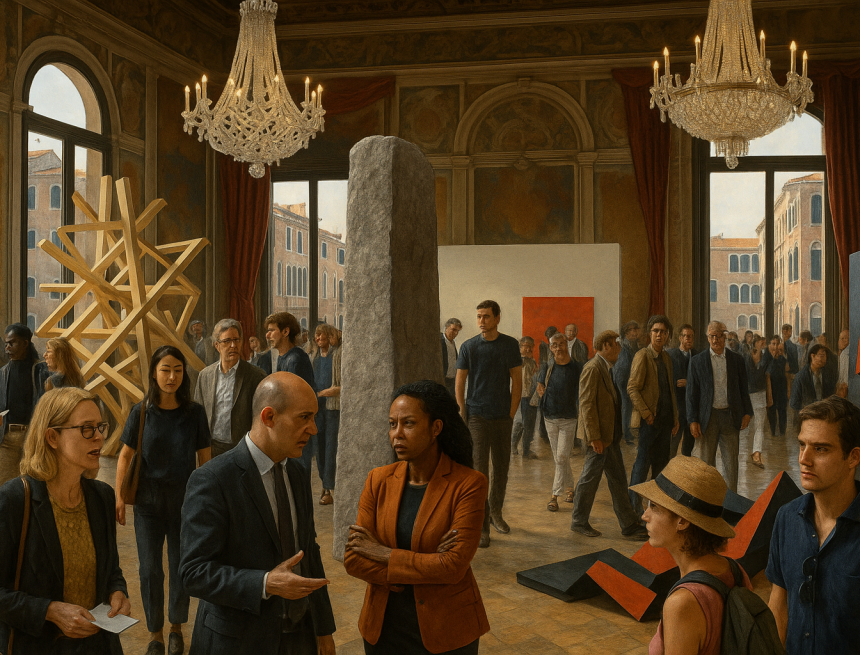
The Venice Biennale, one of the art world's most prestigious events, is facing unprecedented challenges this year as its jury resigns and awards are scrapped amid political controversy. Galleries and artists are adapting to a shifting landscape.
Key Facts
- The Venice Biennale is a leading international art exhibition held in Venice, Italy.
- This year, the Biennale's jury resigned in protest over the participation of Russia and Israel.
- As a result, the Biennale's awards have been cancelled for this edition.
- Galleries such as James Cohan Gallery are navigating complex political and ethical considerations.
- The controversy has sparked debate about the role of art institutions in global politics.
- Despite the turmoil, the Biennale continues to attract major galleries and artists.
- Gallery participation remains a high-stakes opportunity for exposure and influence.
- The situation highlights ongoing tensions between artistic freedom and international relations.
Overview
The Venice Biennale has long been a centerpiece of the global art calendar, drawing artists, curators, and collectors from around the world. This year, however, the event has been overshadowed by controversy. The entire jury resigned, citing objections to the inclusion of Russian and Israeli pavilions amid ongoing geopolitical conflicts.
In response to the resignations, Biennale organizers made the rare decision to cancel all awards for this edition. This move has sent shockwaves through the art community, where recognition at Venice can launch careers and elevate galleries.
Galleries, including high-profile names like James Cohan Gallery, are pressing ahead with their exhibitions, but the atmosphere is tense. Many are weighing the risks and rewards of participation, as the event becomes a flashpoint for debates about the intersection of art and politics.
Despite the challenges, the Biennale remains a vital platform. Artists and galleries are using the moment to reflect on the responsibilities of cultural institutions in times of crisis, while still showcasing new work to a global audience.
In Depth
The Venice Biennale, established in 1895, has evolved into a barometer for contemporary art trends and a stage for international dialogue. Traditionally, the event is structured around national pavilions, each curated to represent a country's artistic vision. This year, however, the inclusion of Russia and Israel has become a lightning rod for criticism, given the ongoing conflicts involving both nations.
The jury's collective resignation, as reported by multiple international outlets, was a direct response to these inclusions. Members cited ethical concerns and the difficulty of maintaining neutrality in the face of war and political unrest. The Biennale's decision to cancel its prestigious awards underscores the gravity of the situation, as these honors often shape the careers of emerging and established artists alike.
For galleries, the stakes have never been higher. Participation in the Biennale offers unparalleled visibility, but it also exposes them to scrutiny regarding their affiliations and choices. James Cohan Gallery, among others, has chosen to remain engaged, emphasizing the importance of dialogue and the power of art to address complex issues. However, the current climate has forced many to reconsider how they approach representation, sponsorship, and collaboration.
The controversy has reignited broader questions about the role of art institutions in global affairs. Should cultural events remain apolitical, or do they have a responsibility to take a stand? Some argue that the Biennale's openness to all nations is essential for fostering understanding, while others believe that certain actions—such as the jury's resignation—are necessary to uphold moral standards.
Despite the turmoil, the Venice Biennale continues to draw significant attention. Artists and galleries are adapting, using their platforms to engage with pressing issues and to advocate for change. The event serves as a reminder that art does not exist in a vacuum; it is deeply intertwined with the social and political currents of its time.
Commonly Asked Questions
Why did the Venice Biennale jury resign this year?
The jury resigned in protest over the participation of Russia and Israel, citing concerns about ongoing conflicts and the ethical implications of including these countries.
What impact does the cancellation of awards have on artists and galleries?
The cancellation removes a major form of recognition and career advancement for artists and galleries, making this edition of the Biennale less influential in terms of accolades.
How are galleries responding to the controversy?
Galleries are reassessing their participation, with some emphasizing the importance of dialogue and others questioning the ethical dimensions of involvement.
Does the Biennale still attract international attention despite the turmoil?
Yes, the Venice Biennale remains a major event, continuing to draw artists, collectors, and media from around the world.
What broader issues does this controversy highlight for the art world?
The situation underscores the challenges of balancing artistic freedom, institutional responsibility, and the influence of global politics on cultural events.
Reliability Score
53/100