
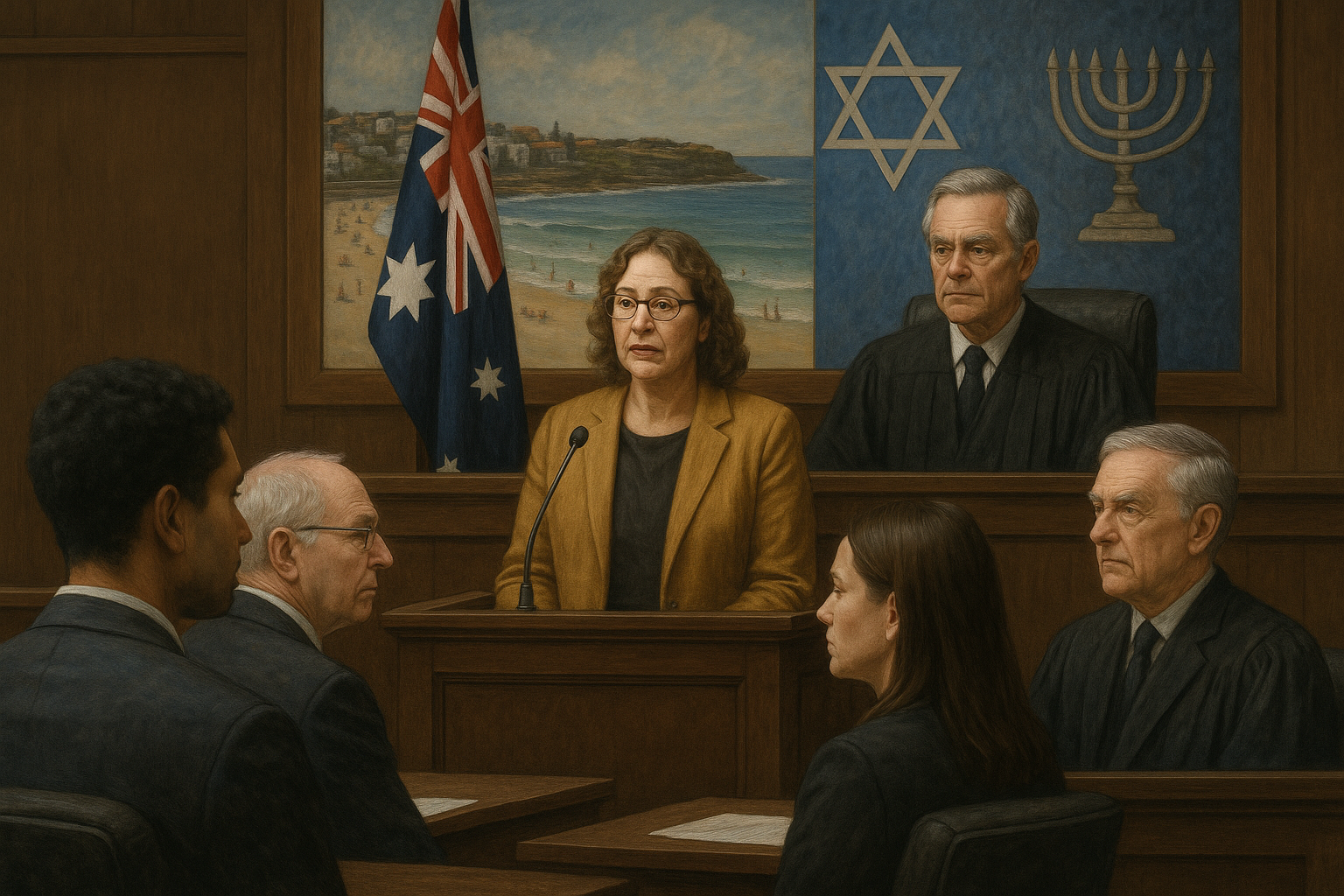
Australia has launched public hearings to investigate the Bondi Beach attack and a reported surge in antisemitism, with Jewish Australians sharing concerns about their safety and experiences of hate.
Key Facts
- Australia has begun public hearings into the Bondi Beach attack and rising antisemitism.
- The hearings are part of a national inquiry into hate crimes and discrimination against Jewish Australians.
- Jewish community members testified about increased fear and threats since the attack.
- Authorities have reported a spike in antisemitic incidents before and after the Bondi Beach event.
- The inquiry aims to assess the effectiveness of current laws and protections.
- Testimonies highlighted concerns about safety in schools, synagogues, and public spaces.
- The hearings are expected to inform future government policy and community support measures.
Overview
Australia has launched a series of public hearings to address the Bondi Beach attack and a sharp rise in antisemitic incidents. The hearings, part of a broader national inquiry, bring together survivors, community leaders, and experts to share their experiences and concerns.
Jewish Australians have spoken out about feeling increasingly unsafe, citing threats, harassment, and a growing sense of vulnerability. Many say the Bondi Beach attack was a turning point, intensifying fears and prompting calls for stronger action.
Authorities have documented a spike in antisemitic incidents both before and after the attack, including verbal abuse, vandalism, and online hate. The inquiry is examining whether current laws and security measures are adequate to protect Jewish communities.
The hearings are designed to give a voice to those affected and to guide future government responses. Recommendations from the inquiry are expected to shape new policies and support systems aimed at combating hate and fostering inclusion.
In Depth
The national inquiry into antisemitism in Australia comes at a time of heightened concern for Jewish communities. The Bondi Beach attack, which drew widespread condemnation, has been described by witnesses as a catalyst for a broader conversation about hate and safety. During the first days of hearings, Jewish Australians recounted personal stories of discrimination and fear, with some comparing the current climate to historical periods of antisemitic violence.
Testimonies have highlighted a range of issues, from graffiti and vandalism targeting synagogues and schools, to physical threats and intimidation in public spaces. Community leaders have pointed to a marked increase in reported incidents, with advocacy groups documenting a surge in hate crimes in the months surrounding the Bondi Beach event. According to reports presented at the hearings, the rise in antisemitism has affected people of all ages, including children and elderly members of the community.
The inquiry is also examining the effectiveness of existing legal frameworks and security protocols. Experts have raised questions about whether current laws sufficiently deter hate crimes and whether law enforcement agencies have the resources and training needed to respond effectively. Some witnesses have called for enhanced security at Jewish institutions, as well as broader educational campaigns to address the roots of antisemitism.
Government officials have stated that the inquiry’s findings will inform future policy, with a focus on both prevention and support for victims. The hearings are expected to continue for several weeks, gathering input from a wide range of stakeholders. Ultimately, the inquiry aims to provide a comprehensive assessment of the challenges facing Jewish Australians and to recommend practical steps to ensure their safety and inclusion.
Commonly Asked Questions
What triggered the current hearings in Australia?
The hearings were prompted by the Bondi Beach attack and a documented rise in antisemitic incidents across Australia.
Who is participating in the hearings?
Survivors, Jewish community leaders, experts, and government officials are providing testimony and evidence.
What types of antisemitic incidents have been reported?
Incidents include verbal abuse, vandalism, threats, and online hate targeting Jewish individuals and institutions.
What is the goal of the inquiry?
The inquiry seeks to assess current protections, understand the scope of antisemitism, and recommend policy changes.
How will the findings be used?
Findings will inform government policy, security measures, and support services for Jewish Australians.
Reliability Score
83/100
Sources
- The Straits Times: Bessent urges China to step up diplomacy on Iran ahead of Trump-Xi summit – The Straits Times
- Yedioth Ahronoth: Australian antisemitism probe reveals spike in hate before Bondi Hanukkah massacre – ynetnews
- EFE: Indonesia, Japan sign defence cooperation agreement – The Straits Times
- The Japan Times: Australia begins hearings into Bondi Beach attack and rising antisemitism – The Japan Times
- The Guardian: ‘We feel like history is repeating’: Jewish Australians speak of increased sense of danger on first day of antisemitism royal commission – The Guardian
- TIME: Australia Launches Public Hearings on Bondi Beach Shooting and Rising Antisemitism – econotimes.com
- France 24: Australian inquiry opens public hearings into Bondi Beach shooting – France 24