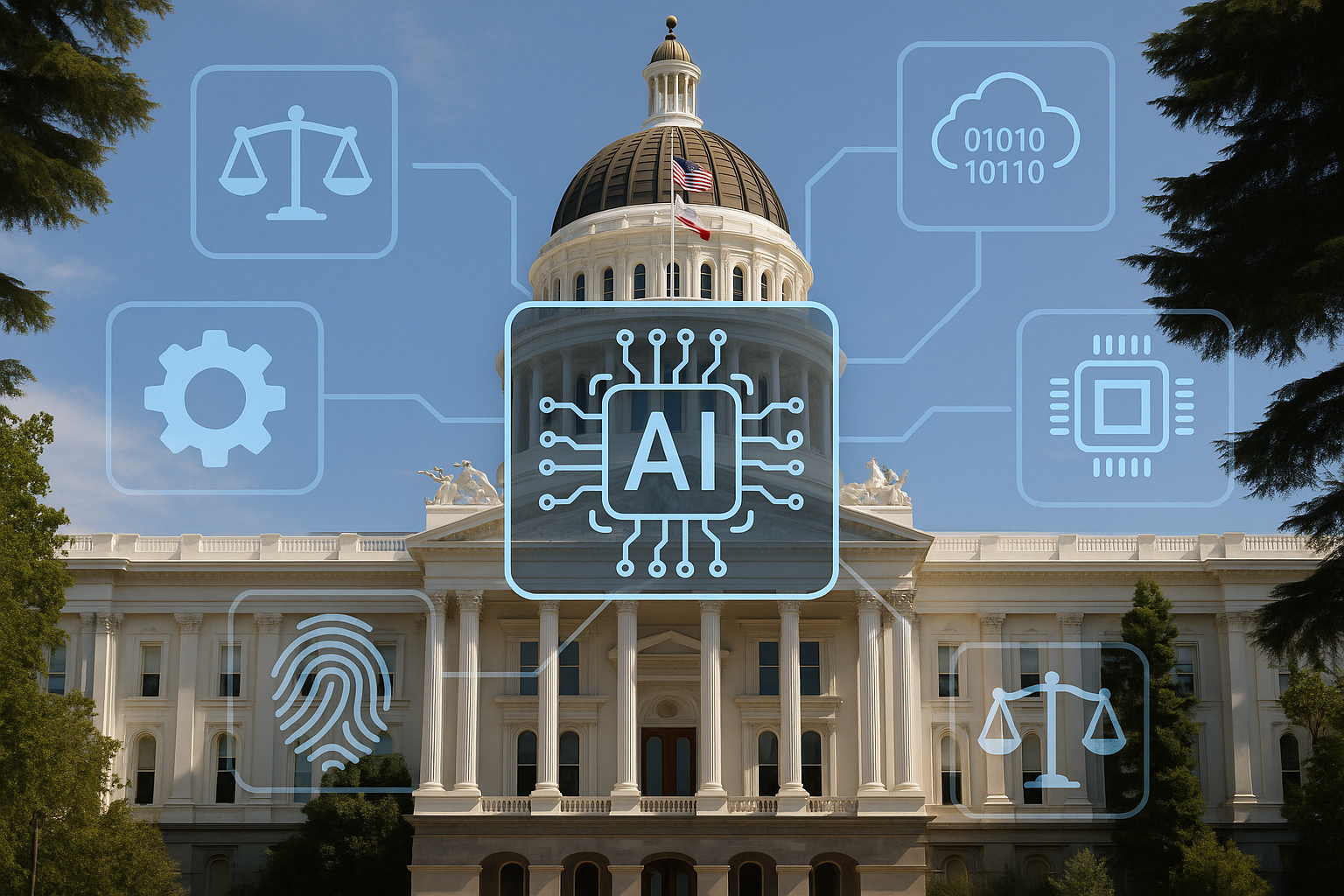
California lawmakers are intensifying efforts to regulate artificial intelligence and Big Tech, reflecting growing bipartisan concern over the technology’s societal impact.
Key Facts
- California is considering new regulations targeting AI and Big Tech companies.
- Both Democrats and Republicans in the state express concern about AI’s risks.
- Tech industry influence remains strong in California politics.
- Moderate Democrats with tech backing are entering state leadership races.
- Public opinion on tech regulation is mixed, with some skepticism about legislative agendas.
- California’s actions could set precedents for national AI policy.
- Calls for regulation include transparency, accountability, and consumer protection.
- No major AI-specific laws have yet passed in California, but proposals are advancing.
Overview
California, home to Silicon Valley and many of the world’s largest technology companies, is moving closer to regulating artificial intelligence and Big Tech. Lawmakers from both major parties are voicing concerns about the rapid development of AI and its potential to disrupt jobs, privacy, and democracy.
Recent political campaigns have highlighted the influence of tech money in state politics, with moderate Democrats backed by industry leaders seeking higher office. At the same time, public opinion polls show that while many support increased oversight, there is uncertainty about how far regulation should go.
Proposals under discussion include new rules for transparency in AI systems, stronger consumer protections, and mechanisms to hold tech companies accountable for algorithmic harms. California’s size and economic power mean its decisions could shape national and even global approaches to AI regulation.
Despite the momentum, no major AI-specific laws have yet been enacted in the state. However, the debate is intensifying as lawmakers, activists, and industry leaders grapple with how to balance innovation with public safety and trust.
In Depth
California’s regulatory debate comes at a time when artificial intelligence is advancing at unprecedented speed. Lawmakers are under pressure to address risks such as job displacement, misinformation, and algorithmic bias, while also ensuring that the state remains a leader in technological innovation. The New York Times reports that concerns about AI’s societal impact are uniting Democrats and Republicans, a rare point of agreement in a polarized political environment.
The tech industry’s influence in California politics is significant. CNN highlights how moderate Democrats, often supported by Silicon Valley donors, are mounting bids for key state positions, including the governorship. This dynamic complicates efforts to pass strict regulations, as some lawmakers are wary of stifling innovation or alienating major employers.
Public sentiment is mixed. According to Politico, while there is broad concern about Big Tech’s power and the potential dangers of AI, voters are not always aligned with the most aggressive regulatory proposals. Many Californians support measures that increase transparency and accountability, but there is skepticism about whether lawmakers’ agendas reflect public priorities.
Current legislative proposals focus on several fronts. These include requiring companies to disclose how AI systems make decisions, establishing independent oversight bodies, and creating legal pathways for consumers to challenge harmful outcomes. Lawmakers are also considering rules to address deepfakes and the use of AI in political campaigns, reflecting fears about election interference and misinformation.
California’s regulatory efforts are being closely watched by other states and federal policymakers. The state has a history of pioneering consumer protection laws, such as the California Consumer Privacy Act, which have influenced national standards. If California enacts comprehensive AI regulations, it could set a template for broader U.S. policy.
Despite the urgency, passing new laws is challenging. The tech sector’s lobbying power, combined with the complexity of AI technologies, means that legislative progress is often slow. Lawmakers must navigate competing interests: protecting the public, supporting economic growth, and maintaining California’s status as a global tech hub.
As the debate continues, advocates stress the need for clear, enforceable rules that can adapt as technology evolves. Industry leaders, meanwhile, warn that overly restrictive regulations could drive innovation elsewhere. The outcome of California’s push for AI and Big Tech regulation will likely have far-reaching implications for the future of technology governance in the United States.
Commonly Asked Questions
Why is California focusing on AI and Big Tech regulation now?
Rapid advances in AI technology and growing concerns about its societal impact have prompted California lawmakers to consider new regulations, aiming to address risks such as misinformation, privacy violations, and job displacement.
What types of regulations are being proposed?
Proposals include transparency requirements for AI systems, stronger consumer protections, independent oversight bodies, and new rules to address deepfakes and AI use in political campaigns.
How does the tech industry influence California’s regulatory process?
Tech companies are major employers and political donors in California, which gives them significant influence over state policy debates and can complicate efforts to pass strict regulations.
Has California passed any major AI-specific laws yet?
No major AI-specific laws have been enacted so far, but several proposals are advancing through the legislative process.
Could California’s actions affect national AI policy?
Yes. California’s size and history of pioneering tech regulation mean its decisions could set precedents for state and federal policies across the U.S.
Reliability Score
55/100
Sources
- The New York Times: One Issue Uniting Democrats and Republicans? Worries About A.I. – The New York Times
- CNN: Backed by tech money, a moderate Democrat from Silicon Valley mounts a bid for California governor – CNN
- Politico: Poll: The midterms' new big players are pushing agendas that voters don’t fully support – Politico