The Trump administration has introduced a major shift in U.S. foreign aid and development policy, emphasizing American interests and business engagement over traditional aid models.
Key Facts
- The Trump administration prioritized 'America First' in its foreign aid approach.
- U.S. aid strategy shifted focus from traditional assistance to promoting trade and U.S. business interests.
- Officials threatened budget cuts to international organizations, including the United Nations.
- The administration sought to renegotiate aid agreements to secure more favorable terms for the U.S.
- Critics argued the changes could reduce U.S. influence in global development.
- Supporters claimed the new strategy would make aid more effective and accountable.
- The approach marked a significant departure from previous bipartisan U.S. development policies.
Overview
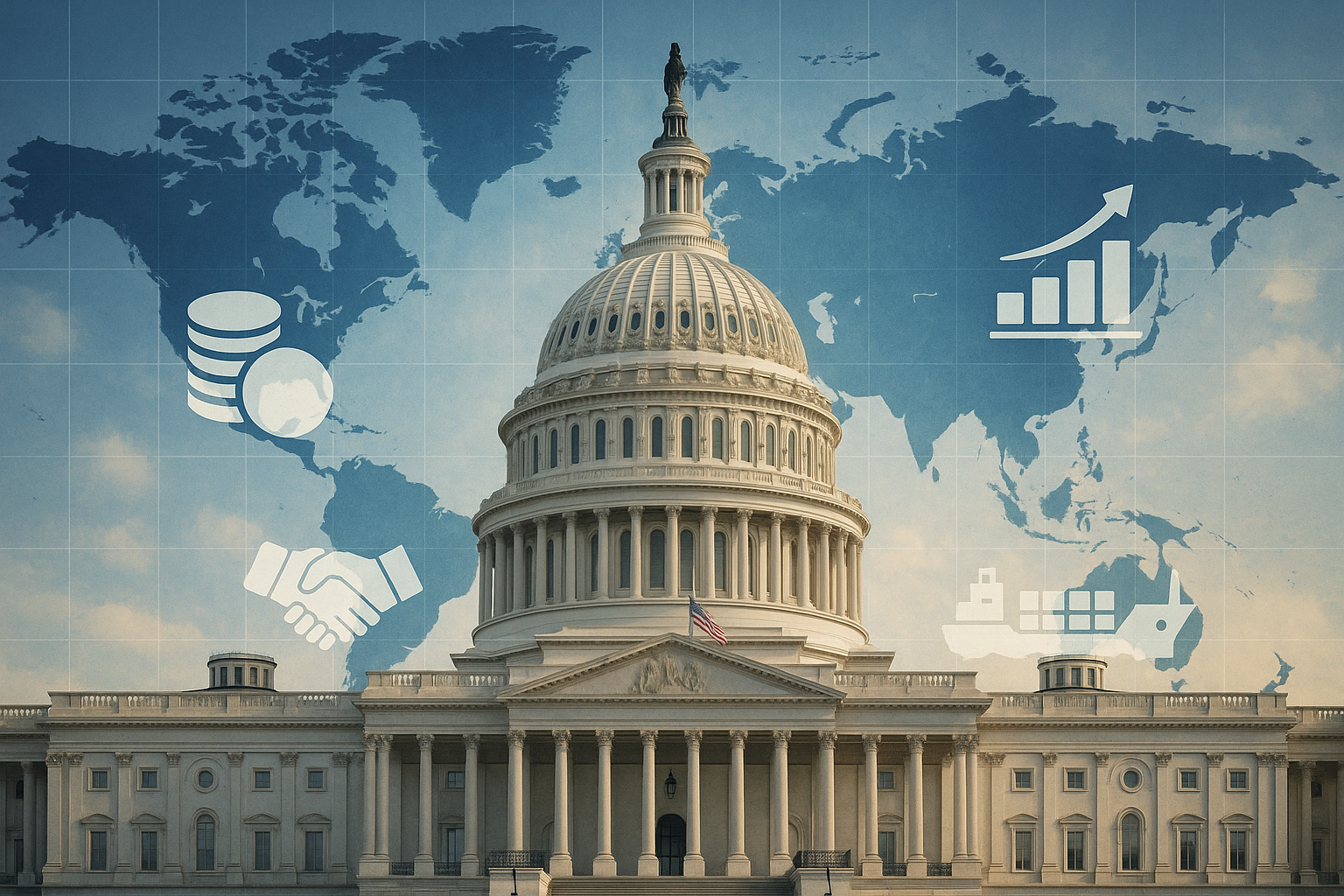
The Trump administration's approach to foreign aid and development marked a dramatic departure from previous U.S. policies. Under the banner of 'America First,' officials restructured how the United States engaged with global development, focusing on advancing American interests and leveraging aid for economic and political gains.
Rather than emphasizing traditional humanitarian assistance, the administration prioritized trade deals and business opportunities for U.S. companies. This included efforts to renegotiate existing aid agreements and push for reforms in international organizations, such as the United Nations, where U.S. officials threatened significant budget cuts.
Supporters of the shift argued that the new strategy would make aid more efficient and ensure that U.S. taxpayer dollars delivered measurable results. Critics, however, warned that reducing traditional aid and focusing on short-term national interests could undermine America's long-standing leadership role in global development.
The policy changes sparked debate among development experts and partner countries, many of whom expressed concern about the potential impact on vulnerable populations and the future of U.S. influence abroad.
In Depth
The Trump administration's foreign aid strategy was rooted in the president's broader 'America First' philosophy. This approach sought to align U.S. development assistance with direct national interests, often linking aid to trade deals or political concessions. According to reporting by Devex and the Financial Times, officials in the administration viewed traditional aid models as outdated, arguing that they failed to deliver sufficient returns for the United States.
One of the most visible aspects of the new strategy was the push to reduce U.S. contributions to multilateral organizations, including the United Nations. Administration officials argued that American taxpayers were shouldering a disproportionate share of global aid costs, and they threatened to cut funding unless these organizations reformed their operations and spending. This stance led to tense negotiations with international partners and raised concerns about the future of key development programs.
The administration also sought to renegotiate bilateral aid agreements, aiming to secure more favorable terms for the U.S. and encourage recipient countries to open their markets to American businesses. This shift was particularly evident in regions where the U.S. had significant economic or security interests. In some cases, aid was explicitly tied to cooperation on trade or migration issues.
Critics of the new approach argued that it risked undermining the effectiveness of U.S. development efforts. By prioritizing short-term economic gains and reducing support for humanitarian initiatives, they warned, the U.S. could lose influence in regions where aid had traditionally served as a tool of soft power. Development experts also expressed concern that vulnerable populations could be left behind if aid was contingent on political or economic concessions.
Supporters, however, contended that the changes were overdue. They argued that previous aid models lacked accountability and failed to produce measurable results. By focusing on outcomes and leveraging aid to advance U.S. interests, they believed the new strategy would ensure that development spending delivered tangible benefits both for recipient countries and for the United States.
The Trump administration's aid and development policy represented a significant break from decades of bipartisan consensus. While the long-term impact of these changes remains debated, the shift underscored the evolving role of the United States in the global development landscape.
Commonly Asked Questions
What was the main goal of the Trump administration's new aid strategy?
The main goal was to align U.S. foreign aid with American interests, prioritizing trade and business opportunities over traditional humanitarian assistance.
How did the administration change U.S. contributions to international organizations?
Officials threatened to cut funding to organizations like the United Nations unless they reformed and reduced spending, aiming to lessen the U.S. financial burden.
What were the criticisms of the new aid approach?
Critics argued that focusing on U.S. interests and reducing traditional aid could undermine global development efforts and diminish U.S. influence abroad.
How did supporters justify the policy shift?
Supporters claimed the new strategy would make aid more effective, accountable, and beneficial to both the U.S. and recipient countries.
Did the new strategy affect existing aid agreements?
Yes, the administration sought to renegotiate aid agreements to secure more favorable terms for the U.S. and encourage market access for American businesses.
Reliability Score
40/100