China’s economic and diplomatic ties with Iran are under the spotlight as tensions rise in the Strait of Hormuz, a critical global shipping route. Beijing’s actions are shaping the regional balance and challenging U.S. policy.
Key Facts
- China continues to import Iranian oil despite U.S. sanctions.
- Beijing has instructed Chinese firms to defy U.S. sanctions on Iranian oil trade.
- The U.S. has accused China of financially supporting Iran and urged Beijing to help keep the Strait of Hormuz open.
- The Strait of Hormuz is a vital chokepoint for global oil shipments, with recent disruptions impacting regional trade.
- China seeks to balance its relationship with both Iran and the U.S. amid ongoing tensions.
- Chinese involvement in Iran is seen as a strategic move to secure energy supplies and expand influence.
- Recent U.S.-China diplomatic exchanges have included discussions on Iran and regional security.
- China’s actions in the region are influencing global energy markets and diplomatic alignments.
Overview
China’s engagement with Iran is drawing renewed attention as tensions escalate in the Strait of Hormuz, a key artery for global oil shipments. Despite U.S. sanctions, China remains Iran’s largest oil customer, importing significant volumes and providing Tehran with crucial revenue.
Beijing has openly instructed its companies to continue business with Iran, challenging Washington’s attempts to isolate Tehran economically. This defiance has prompted U.S. officials to accuse China of ‘funding’ Iran and to call for Beijing’s cooperation in ensuring the free flow of shipping through the Hormuz Strait.
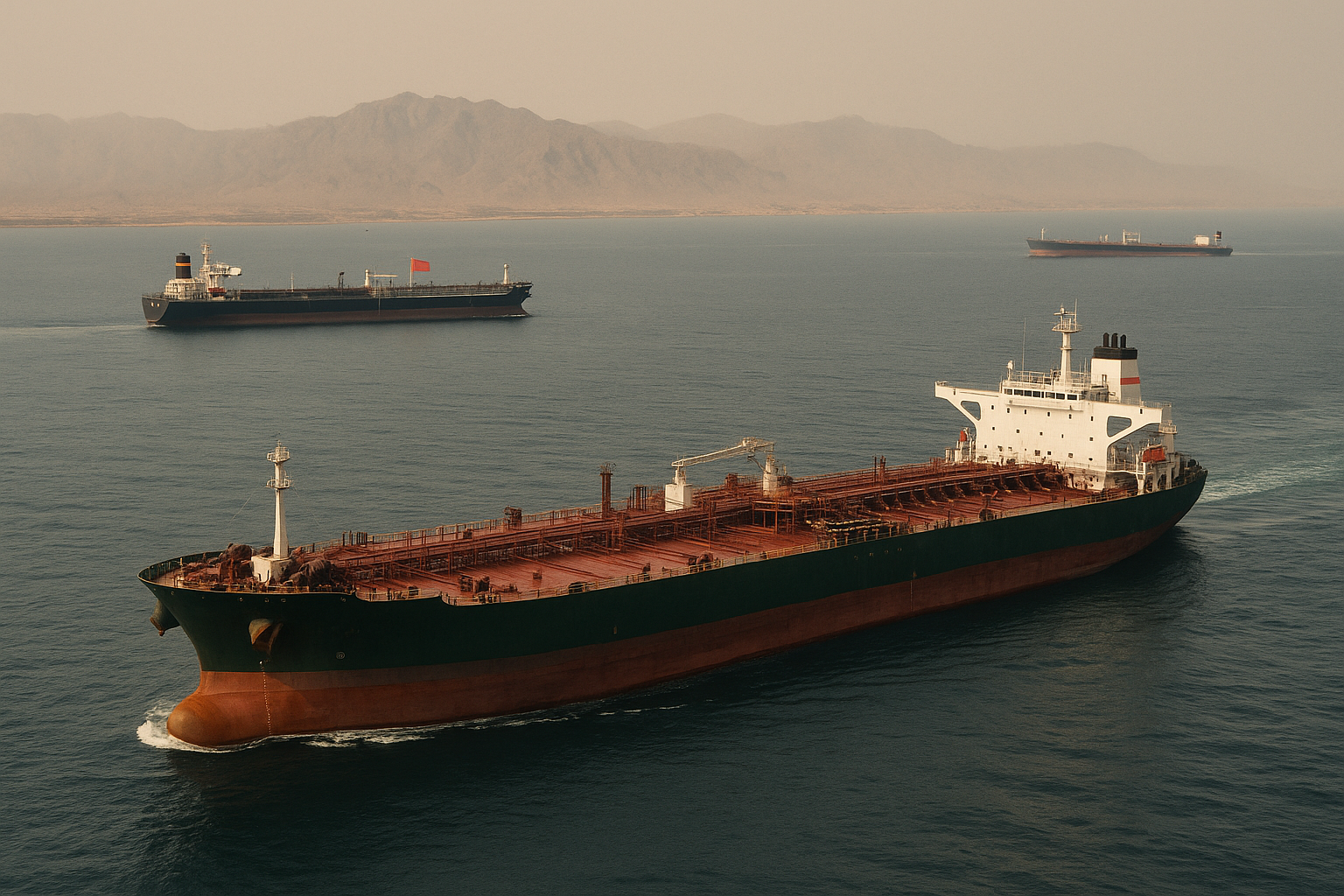
The Strait of Hormuz, bordering Iran, is one of the world’s most important maritime chokepoints. Recent disruptions and threats to shipping have heightened concerns about energy security and global trade stability.
China’s approach is multifaceted. While deepening economic ties with Iran, Beijing is also engaging diplomatically with the U.S., seeking to maintain leverage in both Washington and Tehran. This balancing act is shaping the broader geopolitical landscape in the Middle East and beyond.
As the situation evolves, China’s actions are being closely watched by governments and markets worldwide. The outcome will have significant implications for energy prices, regional security, and the future of U.S.-China relations.
In Depth
China’s energy strategy is a driving force behind its relationship with Iran. As the world’s largest oil importer, China views Iran as a critical supplier, especially as Western sanctions limit Tehran’s access to other markets. According to multiple reports, Chinese refiners have continued to purchase Iranian crude, often through indirect channels, despite U.S. efforts to enforce sanctions. This trade not only provides Iran with much-needed revenue but also strengthens Beijing’s hand in global energy markets.
Beijing’s decision to order its firms to ignore U.S. sanctions marks a significant escalation in the ongoing economic contest between China and the United States. The move signals China’s willingness to challenge American policy in pursuit of its own strategic interests. U.S. officials have responded by publicly urging China to play a constructive role in maintaining security in the Strait of Hormuz, which handles roughly one-fifth of the world’s oil shipments. Disruptions in the strait, whether from conflict or political maneuvering, have the potential to send shockwaves through global energy markets.
Diplomatically, China is walking a fine line. While supporting Iran economically, Beijing has also sought to avoid direct confrontation with the U.S. Chinese officials have engaged in talks with their American counterparts, discussing regional security and the importance of keeping vital shipping lanes open. At the same time, China’s engagement with Iran is seen as a way to expand its influence in the Middle East, counterbalancing U.S. dominance and securing long-term energy supplies.
The broader context includes ongoing U.S.-China tensions over trade, technology, and global leadership. Some analysts suggest that China’s involvement in Iran could provide leverage in negotiations with Washington on unrelated issues. Others warn that the deepening China-Iran partnership could complicate efforts to resolve regional conflicts and stabilize global energy supplies.
Recent disruptions in the Strait of Hormuz, including threats to commercial shipping and rerouting of vessels, have underscored the fragility of the region. China’s role—as both a major energy consumer and a diplomatic actor—will be pivotal in determining whether tensions escalate or subside. The international community is watching closely, aware that the stakes extend far beyond the Middle East.
Commonly Asked Questions
Why does China continue to import Iranian oil despite U.S. sanctions?
China views Iran as a key energy supplier and seeks to secure stable oil imports. Beijing has chosen to prioritize its energy security and economic interests, even if it means defying U.S. sanctions.
How has the U.S. responded to China’s involvement with Iran?
The U.S. has accused China of providing financial support to Iran and has urged Beijing to help ensure the Strait of Hormuz remains open to global shipping.
What is the significance of the Strait of Hormuz?
The Strait of Hormuz is a strategic waterway through which about 20% of the world’s oil passes. Disruptions there can impact global energy prices and trade.
Is China’s relationship with Iran purely economic?
While energy trade is central, China’s relationship with Iran also has strategic and diplomatic dimensions, allowing Beijing to expand its influence in the Middle East.
How might China’s actions affect global energy markets?
China’s continued imports from Iran and its stance on regional security can influence oil prices, supply stability, and the broader geopolitical landscape.
Reliability Score
96/100
Sources
- RT News: China defies US sanctions, imports Iranian oil amid rising tensions – Crypto Briefing
- The New York Times: China Seeks an Advantage With Both Trump and Iran as War Evolves – The New York Times
- Financial Times: SSE Composite Today: Shanghai Index Edges Up 0.11% as China Markets Reopen After Labour Holiday – BBN Times
- News24 South Africa: US official says China is ‘funding’ Iran, urges Beijing to help open Strait of Hormuz – News24
- Arab News: Pakistan’s Gwadar receives first transshipment vessel of May amid Hormuz disruptions – Arab News
- Associated Press: China Orders Firms to Defy U.S. Sanctions in Escalation Over Iran Oil Trade – gCaptain
- Al Jazeera: US official says China is ‘funding’ Iran, urges Beijing to help open Hormuz – Al Jazeera
- The Independent: An unfinished Iran war could give Xi the upper hand in Trump talks, sources say – Egypt Independent
- Korea Times: Why does China portray India as an elephant? Decoding politics of animal analogy – The Korea Times